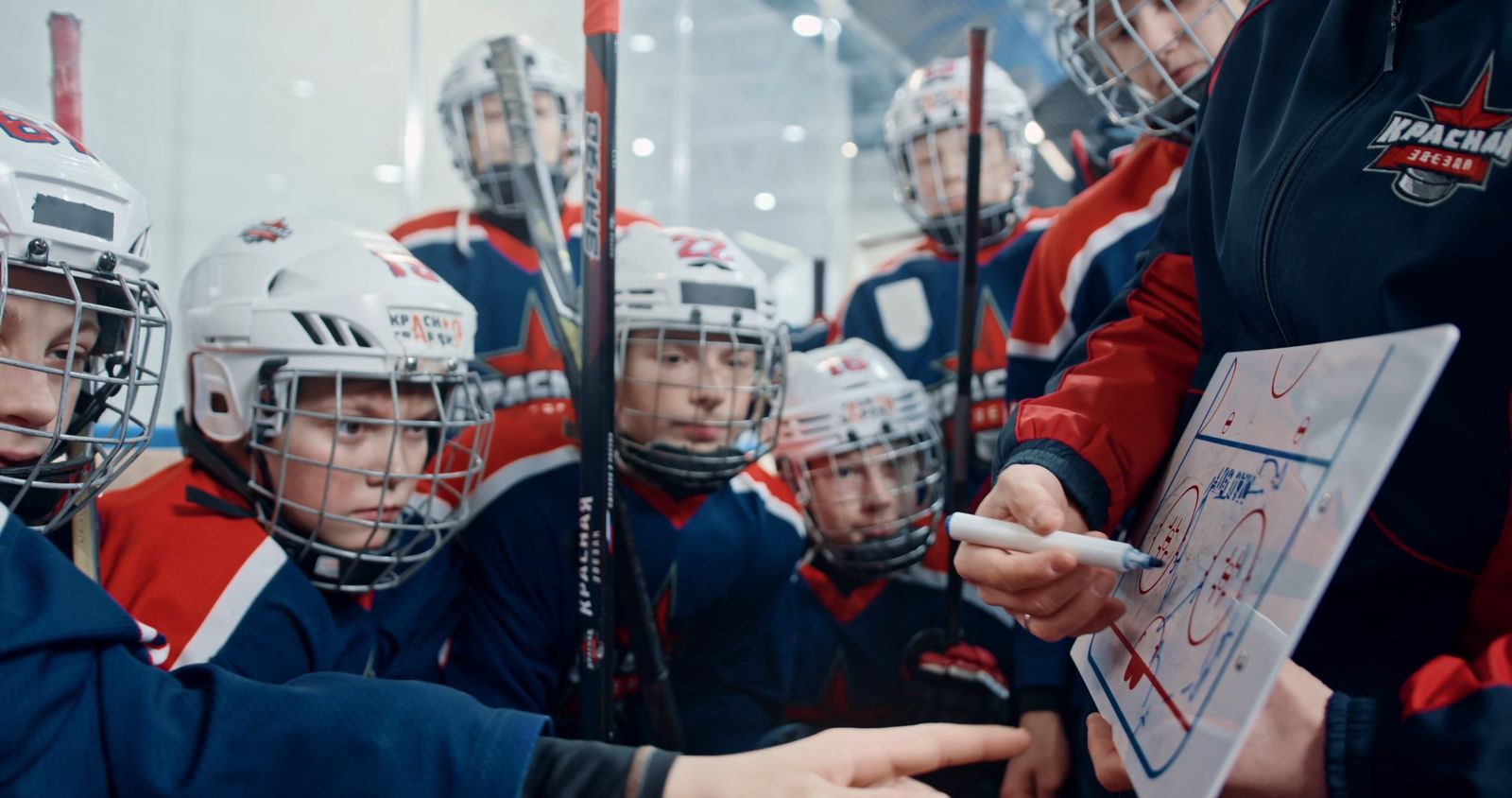
A great coach can shape how your athlete feels about sport for the rest of their life. Before you register, it's worth asking a few questions. Good coaches and programs are happy to answer them.
Qualifications
- Is the coach trained or certified through the National Coaching Certification Program (NCCP) for this sport? Coaches can share their NCCP transcript from the Coaching Association of Canada's Locker.
- Have coaches completed safe sport training, such as NCCP Safe Sport Training or Respect in Sport?
- Do coaches hold current first aid and CPR?
- Is there an emergency action plan for the venue, and a concussion protocol?
Safety and communication
- Does the program follow the Rule of Two, so a coach is never alone and out of sight with a minor athlete?
- Do messages about youth athletes go to parents and guardians, not privately to the athlete?
- Is there a written code of conduct, and a clear way to raise a concern?
The right fit for your athlete
- Does the program match your athlete's age and stage, with fundamentals first for younger athletes?
- What is the coach to athlete ratio, and how are groups organized?
- Can the program support your athlete's needs, like a disability, a medical condition, or a nervous first-timer?
- Will it fit around their other sports, school, and rest?
Watch a session if you can
You'll learn more in 20 minutes of watching than from any website. Look for athletes who are moving most of the time, coaches who know athletes' names, specific feedback, praise for effort, and mistakes treated as part of learning. Athletes should look challenged, but not afraid.
Things that should give you pause
- A coach who wants to message or meet a youth athlete privately.
- Pressure for a young athlete to specialize in one sport all year.
- Training through pain or injury, or punishing athletes with exercise.
- Comments about an athlete's weight or body.
- Secrecy, or frustration when parents ask reasonable questions.
If something doesn't feel right, trust that feeling and ask. If you have a concern about abuse or maltreatment, the independent Abuse-Free Sport Helpline can help.
Canadian resources
Where to go next
Canadian organizations and experts who can help athletes and families go further.
Coaching Association of Canada
Check a coach's NCCP certification, and find safe sport and mental health resources.
Abuse-Free Sport Helpline
A free, confidential, independent helpline for anyone in Canadian sport to raise a concern or get advice about abuse, harassment, or maltreatment.
Sources
This guide is general information, not medical advice. Talk to a health professional about your own situation.
Want help putting this into practice?
Book a 30 minute call and we'll find the right program for you or your athlete.